The first instance I utilized GitHub Copilot in an actual codebase was an experience that made me think this could either radically alter everything or subtly ruin a lot of things that we would not see the problems with for a good amount of time. My speed of coding increased tremendously, and for a period of time I no longer wrote boilerplate code at all. I then began to see small inconsistencies begin to appear in the code I wrote; not major issues, but just code that did not have a full understanding of where it would be placed, and thus seemed to be missing its context. This was when I came to the realization that the speed at which I coded was fast than the level of scrutiny on the code; security was the first area in which I noticed this gap created.
What is AI-Generated Code?
Fundamentally speaking, AI-generated code is simply predictive in nature, created from analyzing massive amounts of existing code and documentation; some of which are good, while others are bad. You input some type of prompt or begin typing a function; the AI completes or predicts how the rest of the code should be developed. The AI can cleverly convince you that its completion or prediction is correct, leading you to question your own assumptions. AI generated code is already present in your daily work environment by providing simple fixes, creating helper functions, and even creating complete programming functionality to a presumed established logic and agreement of completeness if you allow it. However, the important distinction is that human-created code has intentionality related to context while AI-generated code appears right based solely on statistical measures therefore the two cannot be compared as being equally created.
Why AI-Generated Code Can Introduce Security Risks
What makes this tricky is that most AI generated code does not look insecure at all, it looks clean, sometimes cleaner than what you would write yourself under pressure. The problem is it has no idea what matters in your system, it does not know what data is sensitive, what endpoints are exposed, or what assumptions are unsafe. I have seen it reuse patterns that were already outdated years ago, and sometimes it confidently generates logic that works perfectly but should never have been written that way. The real issue is not the code, it is how easy it is to trust it without slowing down.
Common Security Vulnerabilities in AI-Generated Code
The most challenging aspect is that nearly all produced by AI appears safe; they tend to be very "clean," as if they were produced in a high-pressure environment. The issue here is not necessarily about producing "safe" code, but rather it has no insight into what data in your environment is sensitive or which endpoints have been exposed, nor does it know which assumptions are unsafe. There are times when I have witnessed the reuse of obsolete architectural patterns and logic that was previously valid. Nevertheless, it produces code without hesitation to trust it as fast as possible.
Step-by-Step Process to Review AI-Generated Code
1. Understand the Code’s Purpose and Context
Before trying any tooling right away with my code, I try to understand what the code is supposed to do and what purpose it serves. AI often addresses the very next problem well but misses the surrounding context, and often this is where the issues arise. If I can’t explain the intent in layman’s terms, then I won’t trust the implementation.
2. Perform Static Code Analysis
Static analysis continues to be an important tool and is useful even though it isn’t perfect. Because I usually have substantial quantities of generated code, static analysis assists me in catching numerous issues quite rapidly. I do filter through static analysis to determine what is noise, since not all that static analysis receives a flag for or is significant.
3. Check Dependencies and Libraries
When inspecting dependencies, they are generally where things slow down. AI typically will insert dependencies without valid justification, and hence last well above their worth; hence, I often inspect their versions and relevant vulnerabilities, since that’s where I’ve seen some of the more serious problems reside.
4. Validate Input Handling and Output Encoding
Often, input validation has gotten lost because the code simply “is” working. I check how inputs are processed and validated, particularly with user interface-based elements. There are instances where significant security issues arose from this area.
5. Review Authentication and Authorization Logic
Authentication and authorization logic does not usually perform well or consistently with AI. AI typically only follows the happy path and, thus, does not handle edge-case scenarios and scenarios that allow for exploitative behavior. I pay special attention to access control since a poor implementation tends to be costly.
6. Scan for Secrets and Sensitive Data
This problem is much more prevalent than I had expected. Hardcoded credentials, tokens, or keys are often formed as a result of coding too fast and not performing a proper code review. It is one of those items that can be easy to overlook initially, but fixing it later can cause a significant amount of pain.
7. Conduct Dynamic Testing
While executing the application shows completely different things than code review does. During execution, you can have a significant amount of information that is fine until you interact with it. Most of the time the dynamic analysis can yield findings missed by static analysis.
8. Perform Manual Code Review
There is no real shortcut here. Tools help, but they do not replace someone thinking through the logic carefully. This is where experience matters more than anything else.
Tools for Reviewing AI-Generated Code Security
There are plenty of tools out there, and most teams end up using a mix of them whether they planned to or not. The shift I have noticed recently is toward tools that do more than just flag issues, they actually try to fix them, which makes a difference in busy teams. That is where something like Gomboc stands out a bit, because it focuses on remediation rather than just detection, which helps cut through the noise that usually slows teams down. It is not about replacing developers, it is about removing friction where it does not need to exist.
Best Practices for Secure AI Code Review
When it comes to getting an AI code review done properly, tools aren't the most important thing to consider, but what is important is to have a consistent mindset when considering what risk is.
- The main problem I see with compliance processes is trust without thought; trusting a clean-looking piece of code will always be reliable.
- Combining automated checks with a manual code review is the best approach, relying solely on one method will usually lead to items not being uncovered.
- Using established frameworks like OWASP is consistently helpful when you are working with AI incorporated into your software development cycle.
- Keeping dependencies up to date will help you to avoid many issues; however, this only works if you are proactive with your versioning.
- You should build your security into your CI/CD pipelines so that security checks are being performed early and periodically; whereas, if you have an incident, it may not be something you would think of as part of the post-incident recovery process.
- Developers should learn that the items that are flagged contain risk, and not just the fact that they are flagged: understanding risk will change long-term behaviors.
Challenges in Reviewing AI-Generated Code
The speed at which code gets produced is arguably the biggest obstacle associated with reviewing AI-generated code. Because AI-generated code is coming out quicker than most teams are capable of reviewing it (so - under pressure - they often skip steps), this adds to the difficulty in debugging since the reviewer may not have an accurate understanding of how/why that AI-generated code was developed. Tools can assist with this; however, even with tools, it is still very difficult to find individuals who have both a good understanding of development and security.
AI vs Human Code Review: Key Differences
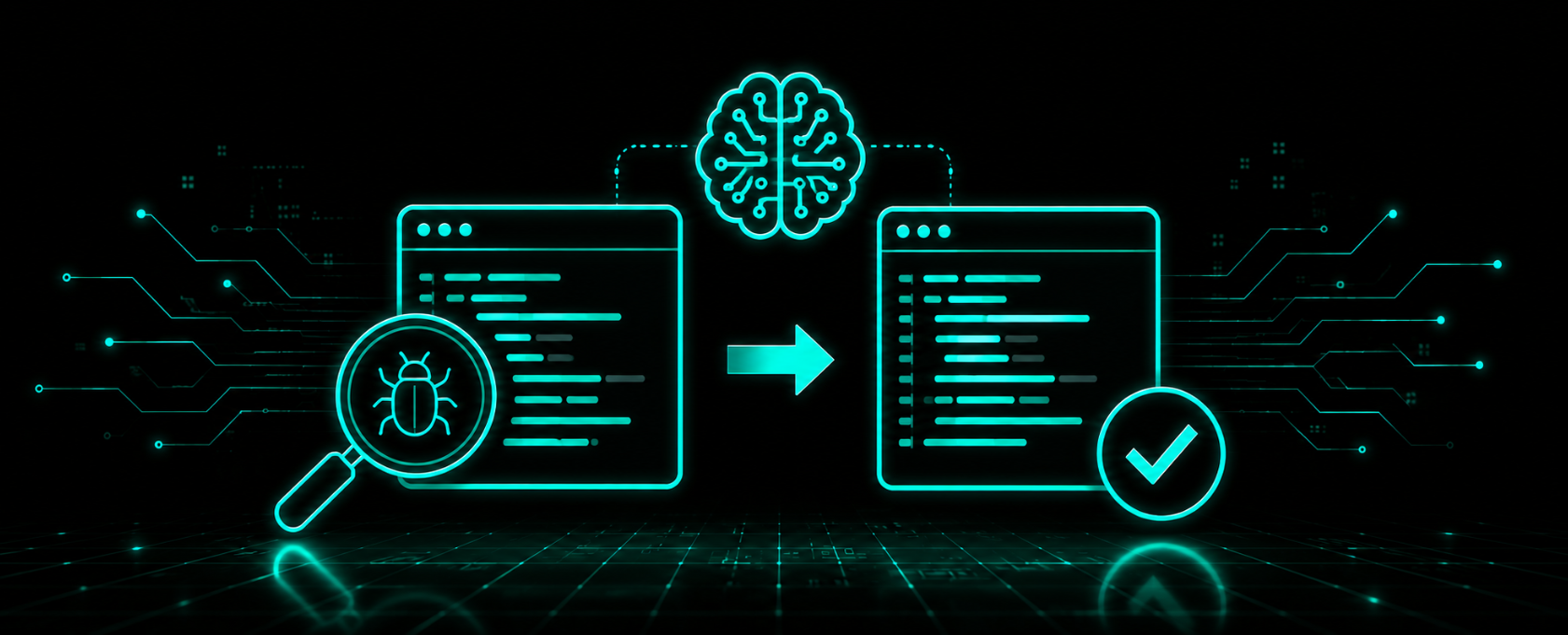
AI-generated code gets produced at an incredible speed, but "speed" does not equal "understanding." Generally speaking, code written by a human programmer contains more explicit intent than code that is written by an AI (although it takes longer to produce). When reviewing AI-generated code, in many cases, you first have to determine what the AI-generated code was supposed to accomplish, then determine whether or not it actually accomplished what the AI intended it to do. In the final analysis, the best way to conduct a code review is to use both an AI system and a human programmer's to one degree or another, based on what you are reviewing.
Conclusion
AI is here to stay, and most teams are already relying on it more than they probably expected. It definitely makes developers faster, but it also makes it easier to overlook things if you are not paying close attention. The teams that get this right are not the ones using the most tools, they are the ones who question the output, even when it looks perfect at first glance. Over time, it really comes down to habits, how consistently you review, validate, and think through what the code is actually doing. Tools like Gomboc can help by quietly fixing issues in the background, but the real difference still comes from how teams approach security day to day.
Also Read: